
New Orleans' diverse architectural landscape offers a captivating journey through history. The city's historic districts showcase a vibrant tapestry of styles, from colonial-era buildings to grand mansions. Exploring these areas provides both visual pleasure and educational insights into the city's rich cultural heritage. Key districts like French Quarter, Garden District, and Faubourg Marigny offer iconic structures and hidden gems, accessible through guided tours or self-guided walks. Immersing oneself in what to see in New Orleans reveals a unique blend of past and present architectural marvels.
The Architectural Icon Walk offers a unique lens through which to experience New Orleans’ vibrant cultural tapestry. As the city renowned for its rich architectural heritage, exploring its iconic buildings is essential for understanding its history and character. However, navigating the vast array of remarkable structures can be overwhelming. This article provides a curated guide, revealing what to see in New Orleans, focusing on architectural gems that encapsulate the city’s spirit. We delve into the design principles and stories behind these landmarks, offering insights that transform casual observation into a meaningful exploration of New Orleans’ built environment.
- Unveiling New Orleans' Architectural Gems
- Iconic Buildings: A Historical Walk
- Exploring the City's Distinctive Style
- What to See in New Orleans: Architecture Edition
- From Past to Present: Design Evolution
- Immerse Yourself in the Built Landscape
Unveiling New Orleans' Architectural Gems
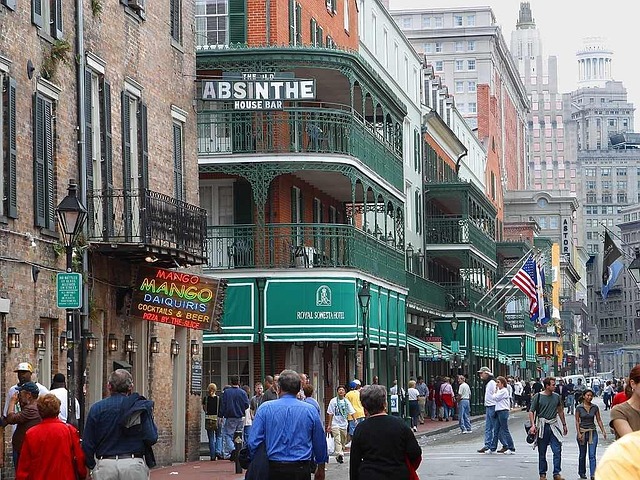
New Orleans, a city renowned for its vibrant culture and rich history, also boasts an architectural landscape that is nothing short of breathtaking. As you wander through its streets, you’ll discover a diverse collection of styles that reflect the city’s complex past, from colonial-era buildings to iconic skyscrapers. Unveiling New Orleans’ architectural gems is akin to stepping back in time, offering a unique perspective on what to see in New Orleans beyond its famous jazz clubs and lively markets.
The historic districts of New Orleans are a prime example of this architectural diversity. The French Quarter, with its cobblestone streets and wrought-iron balconies, showcases Spanish colonial influences intertwined with Victorian and Greek Revival styles. Each building tells a story—from the majestic St. Louis Cathedral to the whimsical Bourbon Street bars. In contrast, the Garden District, located just west of the French Quarter, presents an entirely different aesthetic. Here, grand mansions adorned with magnolias and live oaks display a more formal, antebellum charm, reflecting the city’s wealthier past.
Exploring what to see in New Orleans’ historic districts offers not only visual pleasure but also an educational experience. Many of these buildings are part of well-preserved neighborhoods that have stood the test of time, allowing visitors to step into a bygone era. For instance, the 1850s-era Oak Street in the Central Business District showcases a collection of elegant, cast-iron-fronted buildings, while the Magazine Street corridor boasts an eclectic mix of Victorian, Creole, and Art Deco structures. Furthermore, New Orleans’ commitment to preserving its architectural heritage is evident in the numerous museums and tours dedicated to showcasing these treasures, ensuring that both locals and visitors alike can appreciate their significance.
Iconic Buildings: A Historical Walk

New Orleans is a city where history meets modernity in vibrant hues of culture and architecture. For those eager to delve into its rich tapestry, what to see in New Orleans offers an enchanting journey through time. One particularly captivating way to explore is by embarking on an architectural icon walk, tracing the evolution of design within the city’s historic districts. This immersive experience unveils not just buildings but stories woven into every brick and beam.
The heart of this exploration lies in the New Orleans Historic District, a sprawling area brimming with architectural marvels that span centuries. Here, you’ll encounter elegant Creole architecture, with its distinctive courtyards and balconies, harking back to the city’s early colonial period. The French Quarter, a quintessential historic district, is a testament to the influence of French and Spanish settlers, showcasing structures like St. Louis Cathedral, an iconic landmark that has stood the test of time. As you wander through these districts, each turn reveals a new era: Victorian grandeur in Garden District, Art Deco elegance in the Central Business District, and mid-century modern gems scattered throughout.
Practical insights for navigating this architectural odyssey are abundant. Consider downloading a walking tour app that highlights the unique features of each building, making your experience both informative and enjoyable. Local architecture tours led by experts provide deeper context, sharing tales of builders, residents, and the events that shaped these structures. For instance, exploring the former homes of renowned figures like author Anne Rice offers a glimpse into New Orleans’ literary heritage. By immersing yourself in what to see in New Orleans through this lens, you not only discover the city’s architectural icons but also gain profound insights into its rich cultural history.
Exploring the City's Distinctive Style
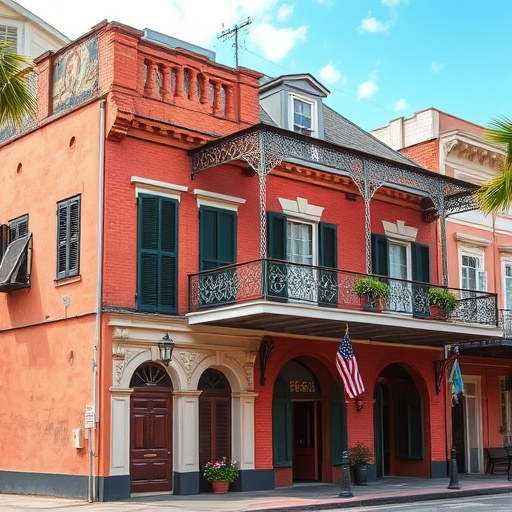
Exploring New Orleans’ Distinctive Architectural Style
New Orleans is a city where history meets innovation, with a rich architectural tapestry that reflects its diverse cultural heritage. As you walk through the streets, you’ll encounter a captivating mix of styles, from grand Victorian mansions to elegant Art Deco buildings and charming Creole cottages. This unique blend offers visitors a chance to delve into the city’s storied past while also showcasing its ever-evolving present.
One of the best ways to experience New Orleans’ architectural diversity is by joining an Architectural Icon Walk tour. These guided treks take you through historic districts like the French Quarter, Garden District, and Faubourg Marigny, where you can admire iconic structures that have stood the test of time. In the French Quarter, for instance, you’ll be amazed by the intricate details of buildings like the St. Louis Cathedral and Jackson Square’s vibrant murals. The Garden District stands out with its grand mansions, many designed by renowned architects like Samuel Wilson and William A. Frerich. Each neighborhood reveals a distinct character, from the romantic allure of French Creole architecture to the grandeur of antebellum homes and the sleek lines of Art Deco lofts.
Beyond organized tours, exploring what to see in New Orleans’ historic districts offers a captivating DIY experience. Wandering through the city’s diverse neighborhoods allows you to uncover hidden gems—colorful courtyard homes, beautifully restored shops, and architectural marvels waiting to be discovered. The Frenchmen Street area, for example, showcases vibrant residential buildings alongside lively bars and restaurants. While in the 1-3 story tall Faubourg Marigny, you’ll find a mix of Victorian townhomes and Creole houses adorned with intricate ironwork. Engaging with local architects and historians can provide deeper insights into the city’s architectural evolution, as they share stories of iconic structures and the people who shaped them.
What to See in New Orleans: Architecture Edition
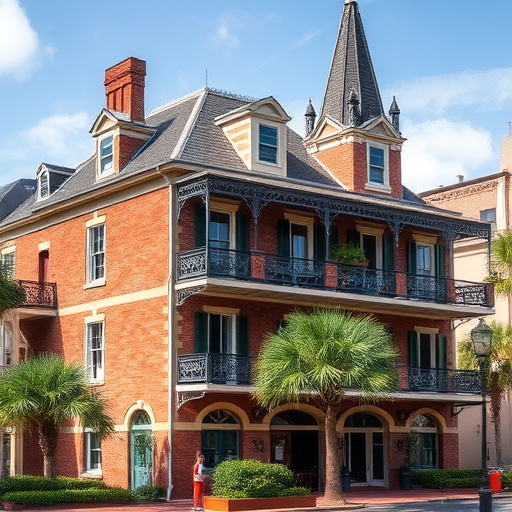
New Orleans is a city steeped in history, culture, and architectural marvels. Beyond its renowned music scene and vibrant nightlife, what to see in New Orleans offers an immersive experience into one of America’s most distinctive urban landscapes. The city boasts a rich tapestry of styles, from Spanish Colonial to Victorian, with the French Quarter serving as the epicenter of this architectural diversity. Exploring historic districts like the Garden District and Faubourg Marigny provides insights into the city’s past while showcasing its enduring allure.
The New Orleans Historic District, encompassing several neighborhoods, is a testament to the city’s unique character. Each district, be it the French Quarter or the Garden District, tells a story of various cultural influences that have shaped the city over centuries. In the French Quarter, visitors are greeted by grand townhouses with cast-iron balconies and intricate brickwork, reflecting the area’s rich Creole heritage. The Garden District, on the other hand, is renowned for its magnificent mansions set amidst lush green gardens, exemplifying the opulence of the late 19th century.
For those seeking to delve deeper into New Orleans’ architectural heritage, a self-guided tour through these historic districts offers an enriching experience. Start with the iconic St. Louis Cathedral in the French Quarter, a symbol of the city’s resilience and elegance. Then, wander through the Garden District to admire the grandeur of places like the Lafayette Cemetery No. 1, surrounded by towering oaks and intricate ironwork. What to see in New Orleans architectural tours are not just about admiring structures; they’re an immersive journey through time, revealing stories of the city’s residents, past and present.
From Past to Present: Design Evolution
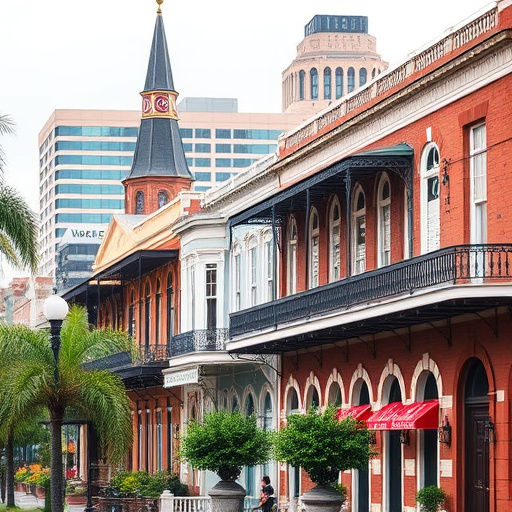
The architectural landscape of New Orleans is a testament to its rich history and cultural evolution, offering visitors an immersive journey through time. From the charming, historic districts like the Garden District to the modern, vibrant spaces sprouting up along the riverfront, the city’s design story is one of remarkable transformation. Understanding this evolution is key to appreciating what makes New Orleans such a unique urban center.
Historically, the city’s architecture reflects its diverse cultural influences, including French, Spanish, and American Colonial styles. The iconic French Quarter, with its cobblestone streets and wrought-iron balconies, stands as a living museum, preserving the charm of early colonial times. Similarly, the Garden District, known for its grand mansions and lush gardens, showcases the opulence of the late 19th century. These historic districts are not just tourist attractions; they are vibrant communities that have stood the test of time, providing insight into New Orleans’ past.
As the city navigated the challenges of the 20th century, its architectural landscape began to shift. The rise of modern and contemporary design is evident in the sleek lines and open spaces found in newer neighborhoods. For instance, the Central Business District has undergone a significant transformation, with iconic skyscrapers like the Coca-Cola Building showcasing a blend of art deco and modern architecture. This evolution continues today, as New Orleans embraces sustainable and innovative design practices, further diversifying its architectural portfolio. Exploring these contrasts allows visitors to grasp the city’s dynamic nature and its ability to seamlessly blend past and present in its built environment.
Immerse Yourself in the Built Landscape

Immerse Yourself in the Built Landscape of New Orleans
New Orleans is a city where history comes alive in every corner, and one of the most captivating ways to experience its rich architectural heritage is through an immersive journey along its iconic built landscape. What to see in New Orleans naturally blends art, culture, and engineering marvels, creating a vibrant tapestry that tells the story of the city’s evolution. From grand historic districts to intricate courtyards, exploring these architectural elements allows visitors to connect deeply with the place and understand what makes New Orleans so uniquely captivating.
The New Orleans Historic District, encompassing various neighborhoods like the French Quarter, Garden District, and Faubourg Marigny, offers a treasure trove of architectural wonders. In the French Quarter, for instance, you’ll marvel at the iconic colonial-era buildings, vibrant murals, and wrought-iron balconies that line the streets. The Garden District stands out with its grand mansions, meticulously landscaped gardens, and distinctive New Orleans architecture that showcases the city’s unique blend of Spanish, French, and American influences. Each district tells a story, inviting visitors to wander and discover hidden gems, such as the intricate ironwork that adorns many homes and public spaces, reflecting the craftsmanship and artistic spirit that have shaped the city.
To fully appreciate what to see in New Orleans naturally, consider joining guided tours or architecture walks led by local experts. These immersive experiences delve into the history behind iconic structures, offer insights into the city’s diverse architectural styles, and highlight lesser-known gems often overlooked by visitors. Whether you’re a history buff, an art enthusiast, or simply curious about the city’s unique character, immersing yourself in New Orleans’ built landscape is an essential part of understanding its enchanting allure.