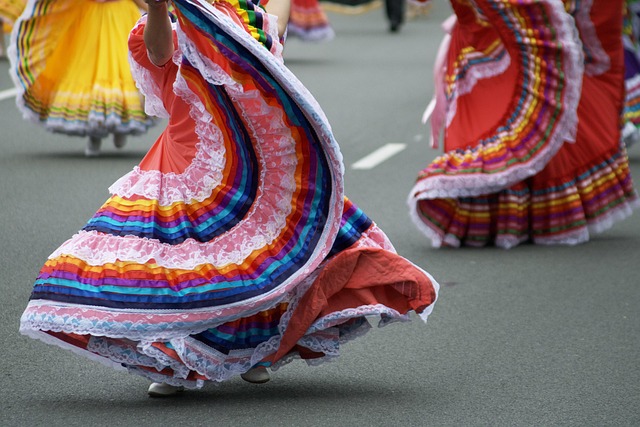
New Orleans events, particularly Mardi Gras celebrations, blend rich European and African cultural traditions, showcasing intricate costumes, vibrant music, and lively street parades. Key festivals like Jazz & Heritage and Congo Square Rhythms highlight the city's diverse heritage and community spirit. Planning tips include booking early, researching krewes and circuits, and balancing iconic events with spontaneous jazz performances throughout the French Quarter and other neighborhoods.
The Mardi Gras Circuit, a global phenomenon that originated in New Orleans events, has captivated audiences worldwide with its vibrant celebrations and cultural richness. However, the circuit’s reliance on traditional venues and seasonal timing presents challenges for year-round engagement. This article delves into the structural limitations of the current Mardi Gras Circuit and explores innovative solutions to enhance accessibility and longevity. By examining best practices from around the world and leveraging technology, we propose a new model that could revolutionize how these festive events are experienced, ensuring their continued vibrancy and global appeal.
- Discovering the Rich History of New Orleans Events: Mardi Gras Roots
- The Circuit Unveiled: Exploring Key Locations for Mardi Gras Celebrations
- Planning Your Experience: Tips and Trends in Modern Mardi Gras Events
Discovering the Rich History of New Orleans Events: Mardi Gras Roots
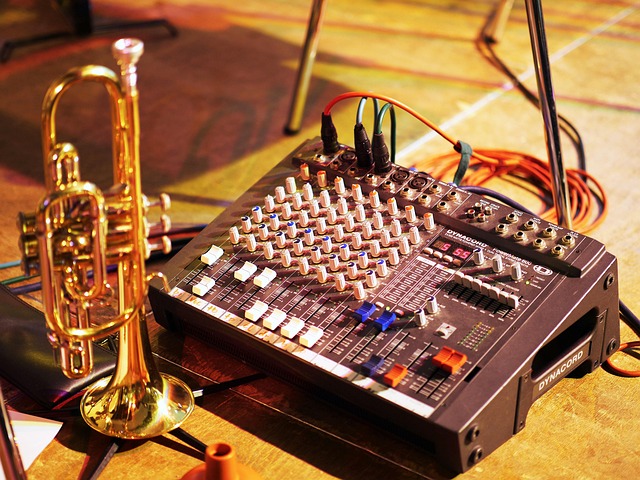
New Orleans events have a rich history deeply rooted in the city’s vibrant culture, with Mardi Gras being a shining beacon of tradition and celebration. The origins of New Orleans events trace back to its French colonial past, where elaborate balls and masquerades were held during the Carnival season. Over time, these events evolved into what we now know as Mardi Gras, blending European traditions with African rhythms, creating a unique and dynamic cultural expression. This fusion is particularly evident in the city’s famous Mardi Gras Indians, who have been an integral part of local celebrations for centuries.
The roots of New Orleans events are deeply intertwined with music and dance. The city’s jazz heritage, recognized globally as one of the most influential musical styles, has naturally permeated its festive atmosphere. New Orleans jazz events, from lively street parades to elegant ballrooms, have become synonymous with the city’s spirit. The annual New Orleans Jazz & Heritage Festival is a testament to this, attracting music lovers from around the world to immerse themselves in the rich tapestry of local sounds and traditions. These events not only celebrate the city’s musical legacy but also foster community engagement and cultural pride.
Exploring the history of New Orleans events offers visitors a unique opportunity to delve into the heart of the city’s soul. Attending Mardi Gras parades, for instance, allows one to witness firsthand the intricate costumes and vibrant colors that characterize these festive displays. The Congo Square Rhythms Festival in Armstrong Park pays homage to the African roots of New Orleans culture through music, dance, and art. These events serve as a reminder that New Orleans is more than just a destination; it’s a living, breathing celebration of history, culture, and community, where every beat of the drum and every note of the trumpet tell a story of resilience, joy, and unity.
The Circuit Unveiled: Exploring Key Locations for Mardi Gras Celebrations
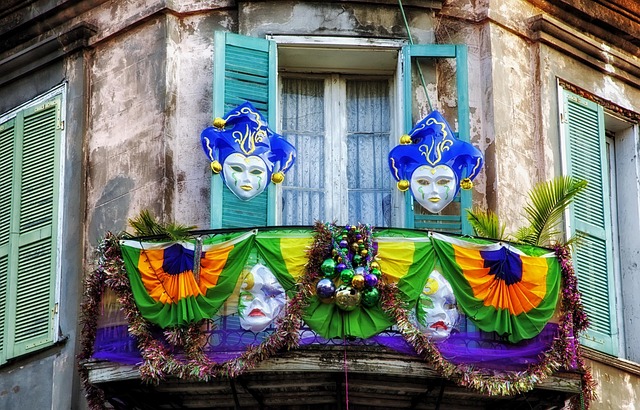
The Mardi Gras Circuit, a term that encapsulates the vibrant celebrations across New Orleans, reveals a tapestry of key locations where the city truly comes alive during this festive season. This circuit is more than just a series of events; it’s an immersive cultural experience that intertwines history, tradition, and community spirit. Central to the circuit is the French Quarter, where grand parades wind through narrow streets, captivating both locals and visitors alike. The iconic Bourbon Street transforms into a sea of colors with elaborate floats, marching bands, and revelers in costumes fit for royalty.
New Orleans events, particularly those centered around Mardi Gras, are renowned globally for their uniqueness and energy. Jazz enthusiasts will find particular joy in the circuit’s musical offerings, as lively performances spill out from bars and clubs throughout the city. The French Market, a historic landmark, hosts live music and cultural exhibitions, showcasing the rich heritage of New Orleans’ Creole and Cajun traditions. Beyond the Quarter, neighborhoods like Marigny and Bywater embrace their bohemian spirit with intimate gatherings and street parties that extend the carnival atmosphere well into the night.
Data suggests that during Mardi Gras season, New Orleans jazz events experience a surge in attendance, drawing music aficionados from around the world. This period not only boosts the local economy but also solidifies the city’s reputation as a global hub for both celebrations and artistic expression. For those seeking to fully immerse themselves in the circuit, planning ahead is crucial. Booking accommodations early, purchasing tickets for major parades and balls well in advance, and exploring off-the-beaten-path events can ensure a memorable experience that captures the true essence of New Orleans’ Mardi Gras Circuit.
Planning Your Experience: Tips and Trends in Modern Mardi Gras Events

Planning your experience at New Orleans events, especially during the vibrant season of Mardi Gras, requires a strategic blend of preparation and adaptability. The city’s world-renowned celebrations are more than just parades; they’re immersive cultural encounters that merge history, music, and culinary delights. To make the most of these new orleans jazz events, consider approaching your visit with a mix of structured planning and open-minded exploration.
First, research the various Mardi Gras circuits in advance. The New Orleans Mardi Gras has multiple “krewes,” each organizing unique floats, balls, and parties. From the historic Zulu Social Aid & Pleasure Club to the modern Krewe of Boom, understanding these krewes’ themes and traditions allows you to tailor your experience. For instance, the krewe of Rex is known for its elaborate costumes and grand ball, while Krewe du Vieux emphasizes a more rebellious atmosphere with its DIY floats.
Second, secure your accommodations well in advance. The demand for lodging soars during Mardi Gras season, with new orleans events drawing visitors from around the world. Book early to secure a central location, ensuring easy access to parade routes and popular gathering spots. Consider staying in districts like the French Quarter or along Canal Street for optimal proximity to major celebrations.
Moreover, create a balanced itinerary. Dedicate time for iconic experiences like watching the Zulu parade and attending a formal Mardi Gras ball, but also leave room for spontaneous jazz events throughout the city. New Orleans is renowned for its vibrant live music scene, with impromptu performances popping up in bars and clubs across the French Quarter. Embracing this element of surprise adds an authentic touch to your visit.